
Turning the Caribbean’s Seaweed Crisis Into Opportunity
We’re cleaning beaches, creating jobs, and building a sustainable future for St. Vincent and the Grenadines.
For Eastern Caribbean, by Eastern Caribbean
Our Vision
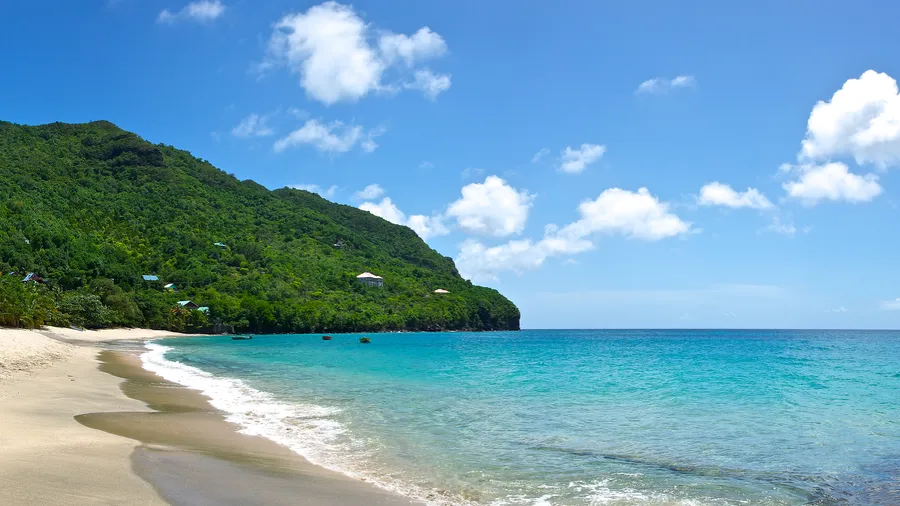
Cleaner Beaches
Restoring Caribbean coastlines one beach at a time
Local Jobs
Creating employment opportunities for island communities
Sustainable Growth
Transforming environmental crisis into economic opportunity
Transforming the Caribbean’s sargassum challenge into sustainable growth.
Cleaner coasts. Local jobs. Regional resilience.
For Eastern Caribbean, by Eastern Caribbean
We’re Caribbean-Born. We’re Here to Make a Difference.
Vincy GreenRoots is a family-founded startup transforming the Eastern Caribbean’s sargassum crisis into opportunity.
What we do: We collect sargassum seaweed from beaches and convert it into valuable biomass for fertilizers, biofuels, cosmetics, and scientific research.
Our approach: We keep value creation within Caribbean communities while partnering with Canadian technology partners for processing and global distribution.
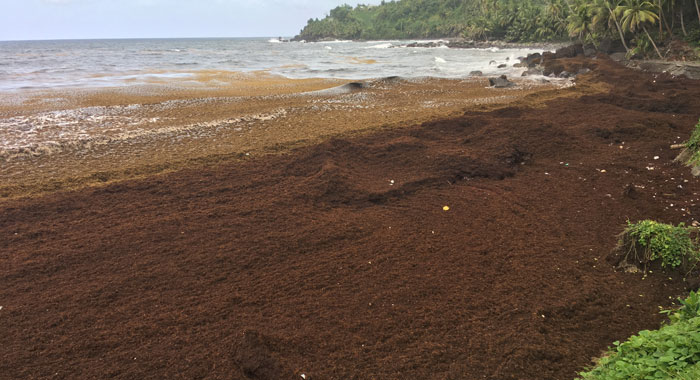
The Sargassum Challenge — And Our Solution
“To transform the Eastern Caribbean’s sargassum crisis into a local, circular supply chain that delivers regional economic resilience and clean coastal ecosystems.”
Sargassum has become a major environmental and economic challenge across the Caribbean. These massive blooms:
- 🌊 Wash ashore in unpredictable, overwhelming volumes
- 🐠 Smother coral reefs and seagrass beds
- 💨 Release harmful hydrogen sulfide gas as they decompose
- 💰 Cost millions in cleanup for tourism-dependent islands
Vincy GreenRoots is the first company in St. Vincent and the Grenadines dedicated to harvesting sargassum and turning this crisis into opportunity.
How It Works
🌊
1. Collect
We harvest sargassum from Caribbean beaches before it decomposes and harms coastal ecosystems.
⚙️
2. Process
The seaweed is cleaned, dried, and converted into valuable biomass for various applications.
🌱
3. Transform
Our partners turn biomass into fertilizers, biofuels, cosmetics, and research materials.
Make an Impact With Your Hands
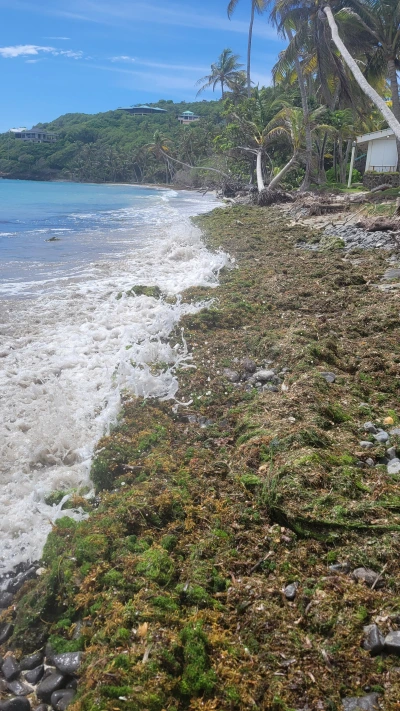
Volunteers are essential to helping Caribbean communities manage the growing sargassum challenge.
How You Can Help:
- ✅ Join organized beach cleanups
- ✅ Remove seaweed before it harms ecosystems
- ✅ Protect turtle nesting sites
- ✅ Assist trapped marine life back to safe waters
- ✅ Support monitoring and research efforts
Even a few hours of hands-on help makes a meaningful difference for our shorelines and the wildlife that depend on them.
Partner With Us for Sustainable Biomass Supply
Vincy GreenRoots welcomes partnerships with organizations ready to turn an environmental challenge into business opportunity.
Industries We Serve:
- 🌱 Fertilizer production
- ⛽ Biofuel innovation
- 💄 Cosmetics manufacturing
- 👕 Textile production
- 🔬 Scientific research
Partnership Benefits:
- ✓ Consistent supply of responsibly-sourced biomass
- ✓ Flexible collaboration models
- ✓ Contribute to cleaner Caribbean coastlines
- ✓ Support local job creation
FAQ’s
What exactly is sargassum and why is it suddenly everywhere?
Sargassum is a type of floating brown seaweed that naturally drifts in the Atlantic Ocean. In recent years, changes in ocean currents, warming waters, and nutrient runoff from rivers have caused massive blooms. These larger mats travel to the Caribbean and wash ashore in amounts far greater than what coastal ecosystems are used to handling.
Is sargassum dangerous to people?
Fresh sargassum isn’t harmful, but once it sits on the beach and begins to decompose, it can release hydrogen sulfide gas — which has a strong “rotten egg” smell and may cause headaches, nausea, or breathing irritation for some people. It’s safe to be near it for short periods, but people with asthma, allergies, or respiratory issues should avoid heavily affected areas.
Is sargassum harmful to marine life?
In the open ocean, sargassum provides habitat for fish, turtles, and seabirds. The problem happens when large amounts accumulate near shore — these thick mats block sunlight, lower oxygen levels in the water, trap wildlife, and smother coral reefs and seagrass beds. On beaches, decomposing sargassum can disrupt turtle nesting and juvenile marine life.
Why doesn’t the government just remove all the sargassum?
Cleanup is extremely costly and constant. Heavy machinery can harm beaches and nesting zones, so most islands must balance environmental protection with removal speed. Some areas clean daily, others focus on tourist beaches or priority zones. The sheer volume also makes it a challenge — thousands of tons can arrive within days.
Can sargassum be used for anything useful?
Yes — and this is where companies like Vincy GreenRoots step in. Sargassum can be transformed into fertilizers, biofuels, cosmetics, textiles, bioplastics, and research materials when properly processed. By collecting and repurposing it, communities can reduce beach pollution, create local jobs, and turn an environmental crisis into new economic opportunities.
How can I volunteer with Vincy GreenRoots?
We welcome volunteers of all backgrounds! Simply fill out our contact form below or email us at Info@VincyGreenRoots.com. We organize regular beach cleanups and monitoring activities in St. Vincent and the Grenadines. Whether you’re a local resident or a visitor, even a few hours of help makes a real difference.
Let’s Connect
Interested in volunteering, partnering, or learning more about our work? We’d love to hear from you.
Email: Info@VincyGreenRoots.com
Location: St. Vincent and the Grenadines
Follow Us: